Stepping into a perfectly curated room feels like magic, but the secret often lies in a deliberate tension between the past and the present. When you learn how to mix modern and vintage decor like a pro, you move beyond “catalog living” and start creating a space that tells a unique story. It is about more than just placing an old chair in a new room; it is about finding the rhythmic balance between sleek lines and weathered textures.
1. Master the 80/20 Rule for Visual Balance
The most successful eclectic rooms follow a specific ratio to prevent visual chaos. Most interior designers recommend the 80/20 rule: 80% of your room should be in one primary style (usually modern for a cleaner look), while the remaining 20% consists of “hero” vintage pieces. This creates a cohesive foundation while allowing your antiques to truly shine as focal points. Think of your modern pieces as the canvas and your vintage finds as the vibrant brushstrokes that add character.
When applying this rule, consider the “weight” of your furniture. A heavy, dark Victorian sideboard needs the breathing room of a minimalist, neutral-toned room to avoid feeling oppressive. By sticking to this ratio, you ensure that your home feels curated rather than cluttered. According to the Architectural Digest design principles, contrast is the key to longevity in home styling. If you’re just starting out, keep your large-scale furniture modern and use vintage items for lighting, art, and accent tables.
2. Use Color to Bridge the Generational Gap

One of the most effective ways to mix modern and vintage decor like a pro is through a unified color palette. Color acts as the “glue” that binds disparate eras together. If you have a mid-century modern velvet sofa and a rustic 19th-century farmhouse table, placing them in a room with a shared color story—perhaps shades of forest green and warm oak—makes the pairing feel intentional. This strategy minimizes the jarring transition between different manufacturing styles.
Don’t be afraid to use paint as a transformative tool. A vintage wooden chair with beautiful lines but a dated finish can be reborn with a coat of matte black or crisp white paint, instantly aligning it with a contemporary aesthetic. Conversely, adding vintage textiles like Persian rugs or kilim pillows can introduce traditional patterns that soften the sharp edges of modern glass or metal furniture. Using a professional color harmony guide can help you select a palette that bridges the gap between old-world charm and new-age sleekness.
3. Create Contrast with Texture and Material
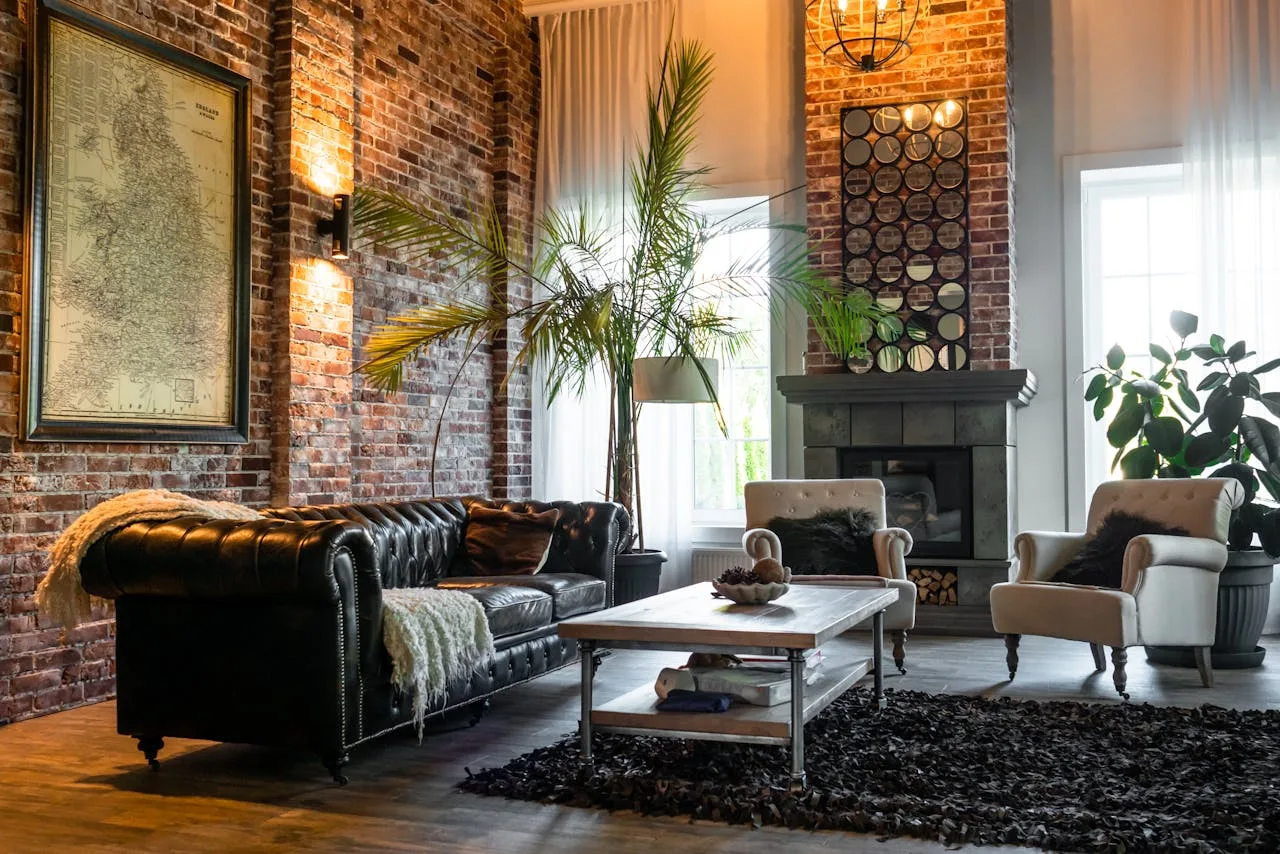
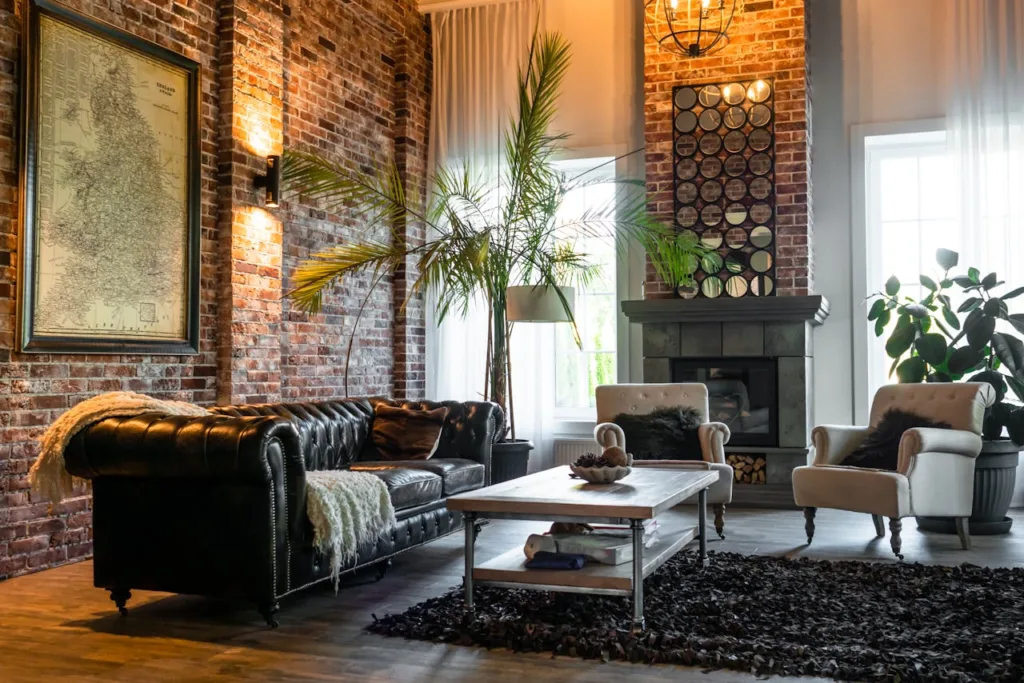
Texture is the secret weapon of the professional decorator. Modern design often leans toward smooth, reflective surfaces like polished chrome, glass, and lacquered wood. To prevent these spaces from feeling cold or sterile, you must introduce the “patina” of vintage items. The rough grain of an antique workbench or the distressed leather of a vintage club chair provides a tactile warmth that new furniture simply cannot replicate. This interplay of “rough and smooth” is what gives a room depth.
Think about your lighting choices as well. A sleek, ultra-modern LED floor lamp standing next to an ornate, hand-carved wooden desk creates a high-design moment through sheer material contrast. This juxtaposition highlights the best features of both items. When you focus on how materials interact, you move closer to mastering how to mix modern and vintage decor like a pro. The goal is to create a sensory experience where the history of the materials adds to the overall comfort and sophistication of the home.
4. Scale and Proportion: The Silent Decorators

A common mistake when blending eras is ignoring scale. Vintage furniture, particularly from the Victorian or Georgian eras, tends to be larger and heavier than today’s streamlined pieces. Conversely, mid-century modern furniture is often lower to the ground. To mix these styles successfully, you must ensure that the visual weight is distributed evenly across the room. A massive antique armoire will overwhelm a small, spindly modern coffee table. Balance that armoire with a substantial modern sectional sofa to maintain equilibrium.
Use the height of your walls to your advantage. If you have low-profile modern seating, draw the eye upward with tall vintage mirrors or a gallery wall that includes antique frames. This creates a vertical connection between the different heights of your furniture. Understanding basic interior design proportions is essential here. When the scale is correct, the different styles will feel like they belong in the same conversation, rather than competing for space in a crowded room.
5. Curate a Story Through Meaningful Accents
The final step in learning how to mix modern and vintage decor like a pro is the “edit.” It is tempting to display every antique find you have, but a pro knows that less is often more. Choose vintage accents that have a personal connection or a striking silhouette. A collection of vintage brass candlesticks on a modern marble mantelpiece creates a sophisticated vignette. Similarly, an old analog clock or a stack of weathered leather books can ground a high-tech media console.
Remember that your home is an evolving gallery of your life. Every piece doesn’t have to match perfectly, but it should feel like it was chosen with purpose. By mixing the soul of the old with the functionality of the new, you create a living space that is both comfortable and deeply personal. This approach ensures your decor remains timeless, as it isn’t tied to a single trend but rather to your own unique eye for beauty and history.
Frequently Asked Questions
How do I start mixing styles if I’m afraid of it looking messy?
Start small. Use the 80/20 rule by keeping your large furniture modern and introducing vintage through smaller accessories like lamps, vases, or wall art. This allows you to test the waters without committing to a major overhaul.
Can I mix different wood tones?
Yes! In fact, mixing wood tones adds a “collected over time” feel. The trick is to have a repeating “bridge” tone or to ensure the undertones (warm vs. cool) are somewhat consistent across the room.
What is the best way to find quality vintage pieces?
Look for solid wood construction, dovetail joints, and unique silhouettes at estate sales, flea markets, and online marketplaces. Don’t worry about minor surface scratches; these add to the “patina” that makes vintage so desirable.
Does “vintage” always mean “antique”?
Technically, “antique” refers to items over 100 years old, while “vintage” usually refers to items at least 20 years old. For decor purposes, both are used to add character and history to modern spaces.
Conclusion
Mastering the art of how to mix modern and vintage decor like a pro is a journey of trial and error, but the results are incredibly rewarding. By balancing proportions, unifying your color palette, and embracing the contrast between textures, you can create a home that feels both fresh and steeped in history. Don’t be afraid to break the rules and let your personality shine through your choices. If you found these tips helpful, share this post with a fellow decor enthusiast or leave a comment below with your favorite vintage find!