Well-styled shelves can transform an ordinary room into a polished, designer-worthy space. Yet many people struggle to arrange books, décor, and personal items in a way that looks intentional rather than cluttered. The good news? Learning How to Decorate Shelves Like a Pro: Easy Styling Tips is simpler than you might think. With a few strategic principles—balance, layering, and thoughtful object placement—you can turn any bookshelf or floating shelf into a stunning focal point that reflects your personal style.
Where Do You Start When Learning How to Decorate Shelves Like a Pro: Easy Styling Tips?

The first step in mastering How to Decorate Shelves Like a Pro: Easy Styling Tips is starting with a clean slate. Remove everything from your shelves before styling. This allows you to see the space clearly and prevents overcrowding—one of the most common shelf styling mistakes.
Once the shelves are empty, begin with larger anchor pieces such as stacked books, framed art, or decorative boxes. These items provide visual weight and create the foundation for the rest of your display. Interior designers often recommend grouping objects in odd numbers—three or five—because the arrangement feels more natural and visually pleasing.
Next, think about layering. Place artwork or framed photos toward the back and smaller items like candles or sculptures in front. This technique creates depth and keeps the arrangement from looking flat.
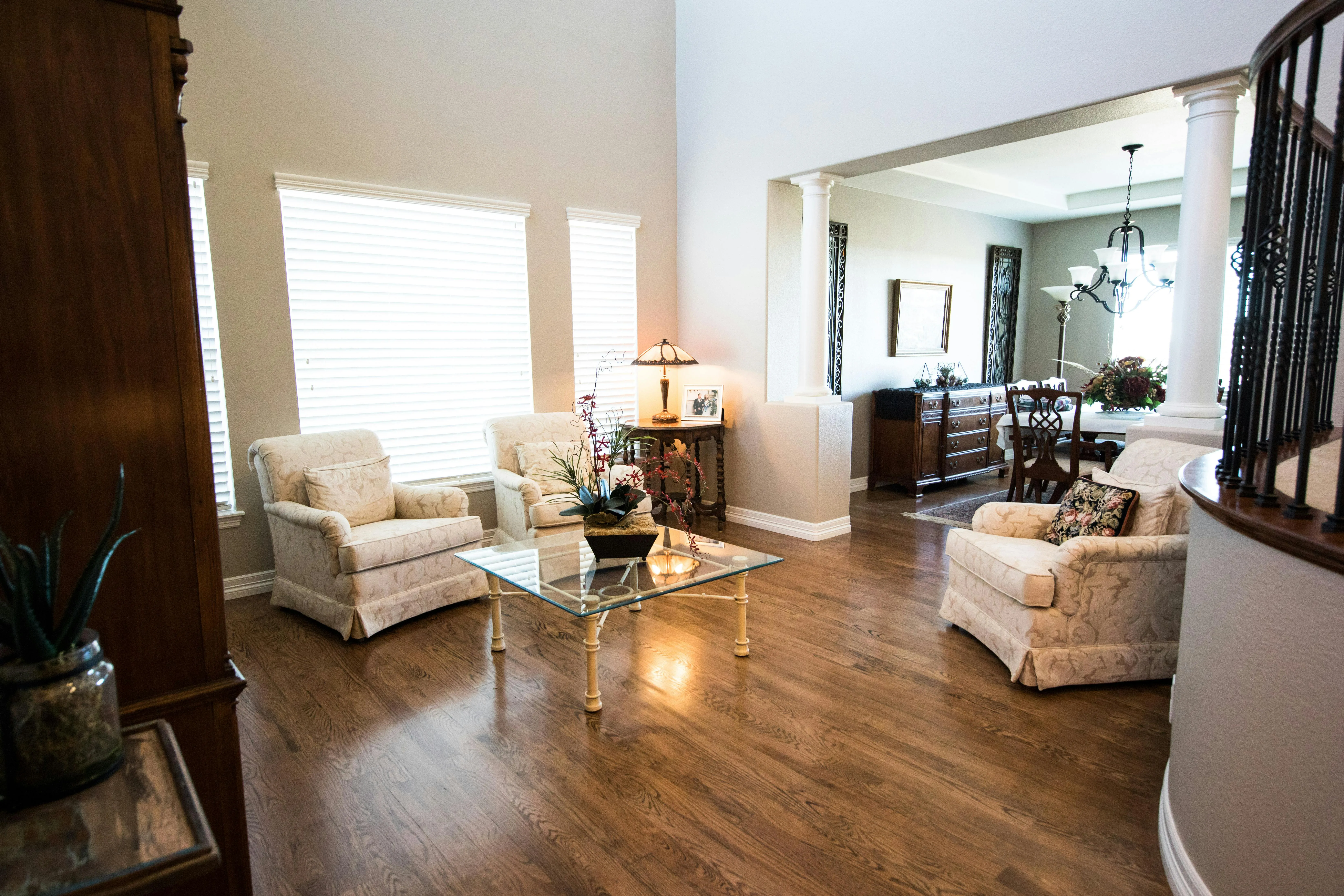
If your shelves sit in a living room, consider coordinating them with other design elements in the space. For example, incorporating décor that matches the palette in these timeless living room decor ideas helps your shelves feel integrated rather than random.
Think of shelf styling as visual storytelling. Each item should contribute to the overall mood of the room while still feeling personal to you.
What Objects Make Shelves Look Professionally Styled?

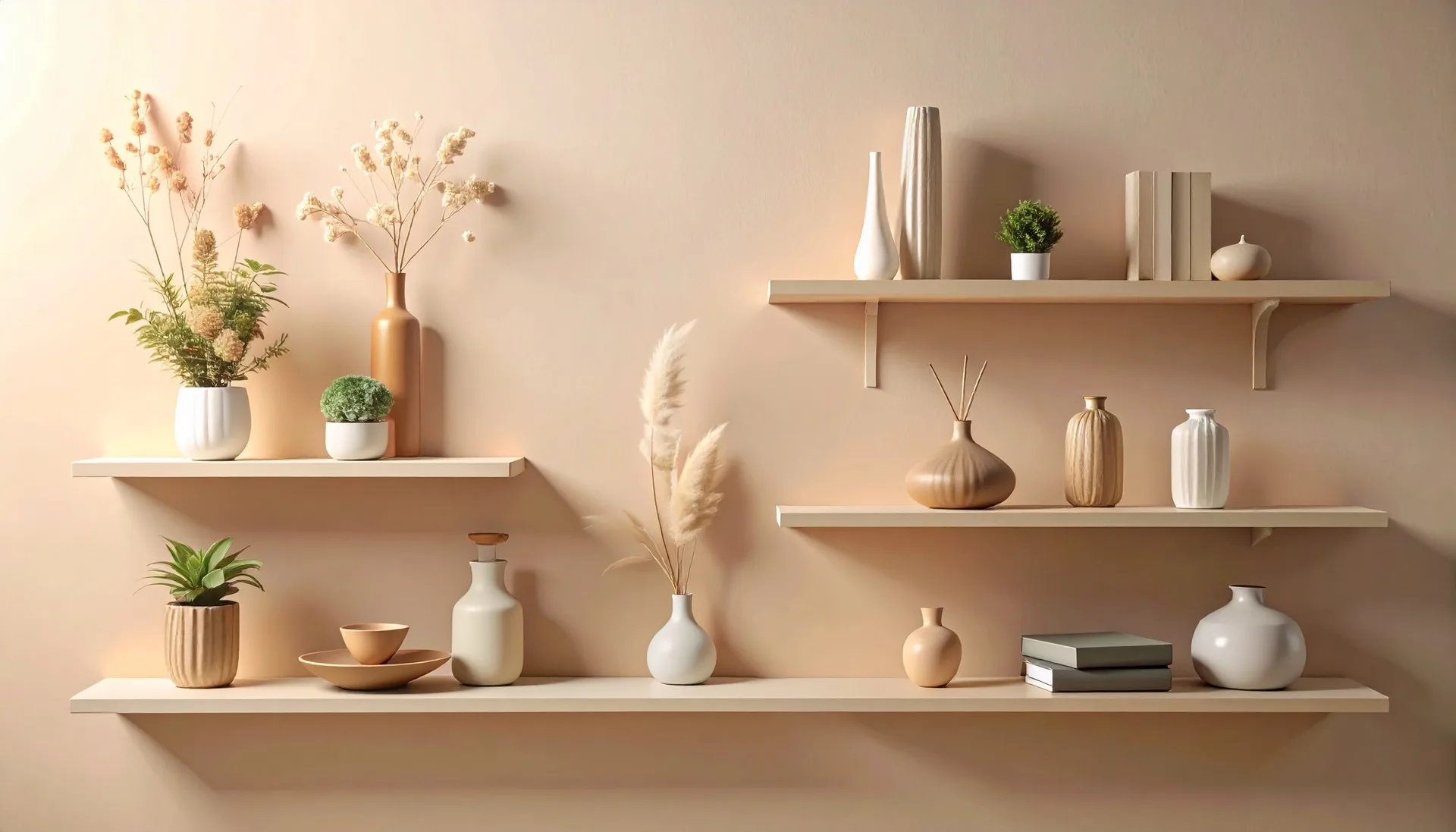
Professional shelf styling relies on a curated mix of objects. Designers often combine books, greenery, art, and decorative pieces to create variety and balance.
Books remain the backbone of most shelves. Stack some horizontally and line others vertically to add movement. Then introduce organic elements such as plants or flowers. According to the Royal Horticultural Society’s guide to houseplants, indoor plants not only enhance décor but also improve the atmosphere of a room.
Decorative objects—ceramic vases, sculptural pieces, or travel souvenirs—bring personality to your shelves. The key is restraint. Choose pieces that complement your color palette rather than compete with it.
Texture also plays a huge role. Mix materials like wood, metal, glass, and ceramics to create contrast. A wooden box beside a glossy vase or a marble object instantly elevates the display.
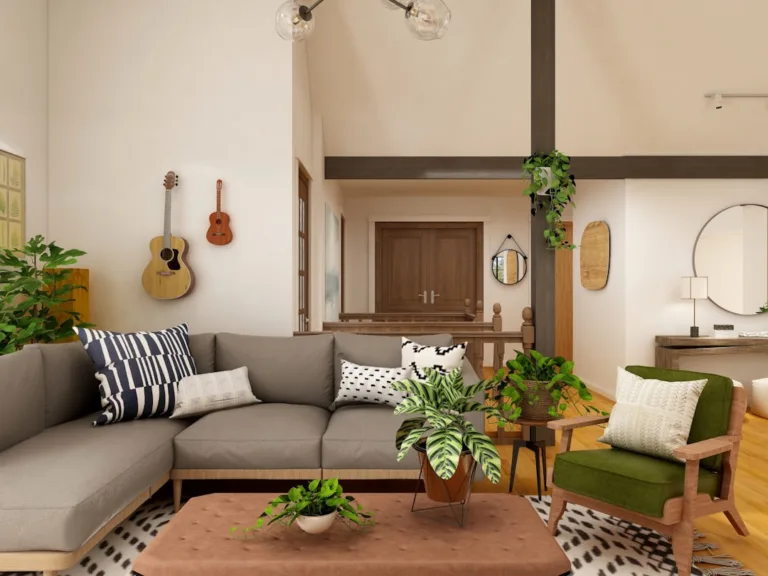
If you’re blending different design eras, shelves are a perfect place to experiment. You can learn how to combine pieces elegantly in this guide on mixing modern and vintage decor, which uses similar styling principles.
The goal is simple: a balanced composition that looks collected over time rather than purchased all at once.
How Do You Arrange Shelves So They Look Balanced?

Balance is the secret ingredient behind every beautifully styled shelf. When practicing How to Decorate Shelves Like a Pro: Easy Styling Tips, think of each shelf as its own mini composition.
Start by varying height. Place taller objects—like vases or framed art—toward the sides or back of the shelf. Shorter pieces should sit in front or near the center. This layered arrangement draws the eye naturally across the display.
Next, distribute visual weight evenly. If one side of the shelf holds a stack of large books, balance the opposite side with a similarly sized object or grouping. The arrangement doesn’t have to be perfectly symmetrical, but it should feel stable.
Color balance matters too. Repeating colors throughout the shelves helps unify the display. For example, if you place a brass object on the top shelf, echo that tone somewhere else in the arrangement.
Many interior designers rely on the “rule of thirds,” a concept borrowed from photography. The National Geographic explanation of the rule of thirds shows how dividing a space into sections naturally creates pleasing visual balance.
Apply the same idea to shelves: divide the space mentally and place key objects where those visual lines intersect. Instantly, the arrangement feels more intentional.
How Can You Add Personality Without Making Shelves Look Cluttered?

Your shelves should feel personal—but not chaotic. One of the most effective strategies in How to Decorate Shelves Like a Pro: Easy Styling Tips is mixing meaningful objects with negative space.
Display items that tell your story: travel souvenirs, family photos, vintage finds, or favorite books. These details make your shelves unique and inviting.
However, resist the urge to fill every inch. Empty space is essential because it allows the eye to rest and highlights your favorite pieces. Many designers intentionally leave portions of shelves blank to prevent visual overload.
You can also rotate décor seasonally. Switching out small objects, artwork, or plants keeps the display fresh without requiring a complete redesign.
If your goal is a calm, airy aesthetic, take inspiration from minimalist interiors. Articles like these minimalist bedroom design ideas emphasize simplicity and thoughtful object placement—principles that work beautifully for shelf styling as well.
When each object has breathing room, your shelves feel curated rather than crowded.
What Final Touches Make Shelves Look Designer-Level?

The finishing touches often separate average shelves from truly professional styling. After arranging your main items, step back and evaluate the overall composition.
Lighting can dramatically elevate shelves. Small LED strip lights, picture lights, or nearby lamps highlight textures and create warmth. According to design guidance from Architectural Digest on bookshelf lighting, subtle illumination adds depth and makes displays feel more intentional.
Another trick designers use is repeating shapes. If one shelf features a round object like a bowl or vase, echo that circular shape elsewhere. This repetition builds visual rhythm throughout the shelving unit.
Color coordination also refines the look. Arrange books by tone, or choose decorative objects that complement your room’s palette. If your living space features soft neutrals, styling shelves with similar hues keeps the design cohesive.
Finally, edit ruthlessly. Remove anything that feels unnecessary. Professional stylists often add objects slowly, then remove several until the arrangement feels balanced and effortless.
Remember: the best shelves don’t look overly designed. They look natural—yet quietly intentional.
Frequently Asked Questions
What is the rule of three in shelf decorating?
The rule of three suggests grouping objects in sets of three because odd-numbered arrangements tend to feel more natural and visually appealing. For example, you might combine a small plant, a stack of books, and a decorative object to create a balanced display.
How do you make shelves look less cluttered?
Use fewer objects, vary heights, and leave empty space between items. Mixing books with decorative pieces and plants helps create visual interest without overcrowding the shelves.
What should you put on decorative shelves?
Common shelf décor includes books, framed photos, plants, candles, ceramics, and small sculptures. The key is choosing items that match your room’s color palette and overall style.
How often should you restyle your shelves?
Many people refresh their shelves seasonally or when redecorating a room. Swapping small decorative items, plants, or artwork can instantly update the look.
Are symmetrical shelves better than asymmetrical ones?
Both can work beautifully. Symmetrical shelves feel structured and formal, while asymmetrical styling tends to feel relaxed and modern. Choose the approach that fits your room’s design style.
Once you understand the principles behind How to Decorate Shelves Like a Pro: Easy Styling Tips, styling shelves becomes surprisingly fun. By balancing objects, layering textures, and leaving space for your favorite pieces to shine, you can transform even the simplest bookshelf into a stunning design feature. Experiment with arrangements, trust your instincts, and don’t be afraid to refine the display until it feels just right. And if you’ve discovered a shelf styling trick that works beautifully in your home, share it—your idea might inspire someone else’s next decorating project.