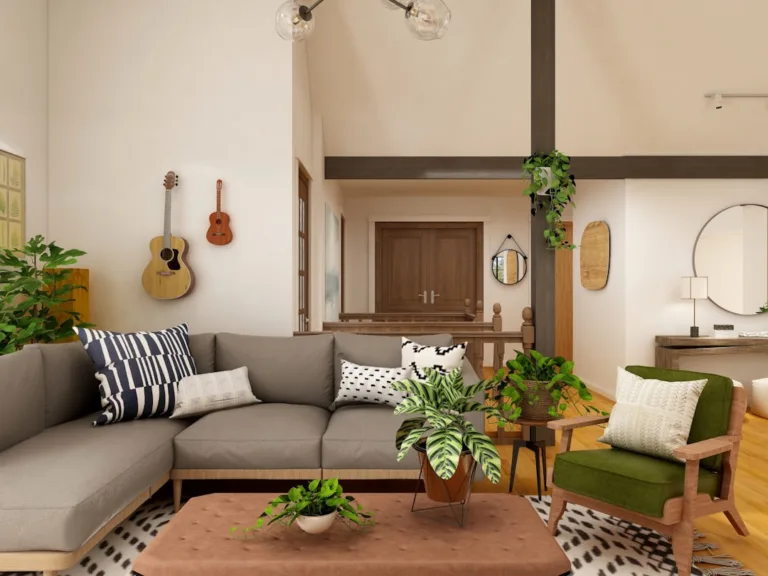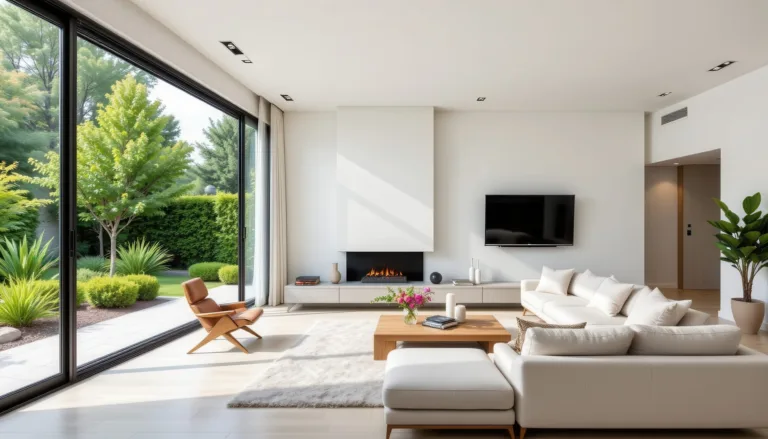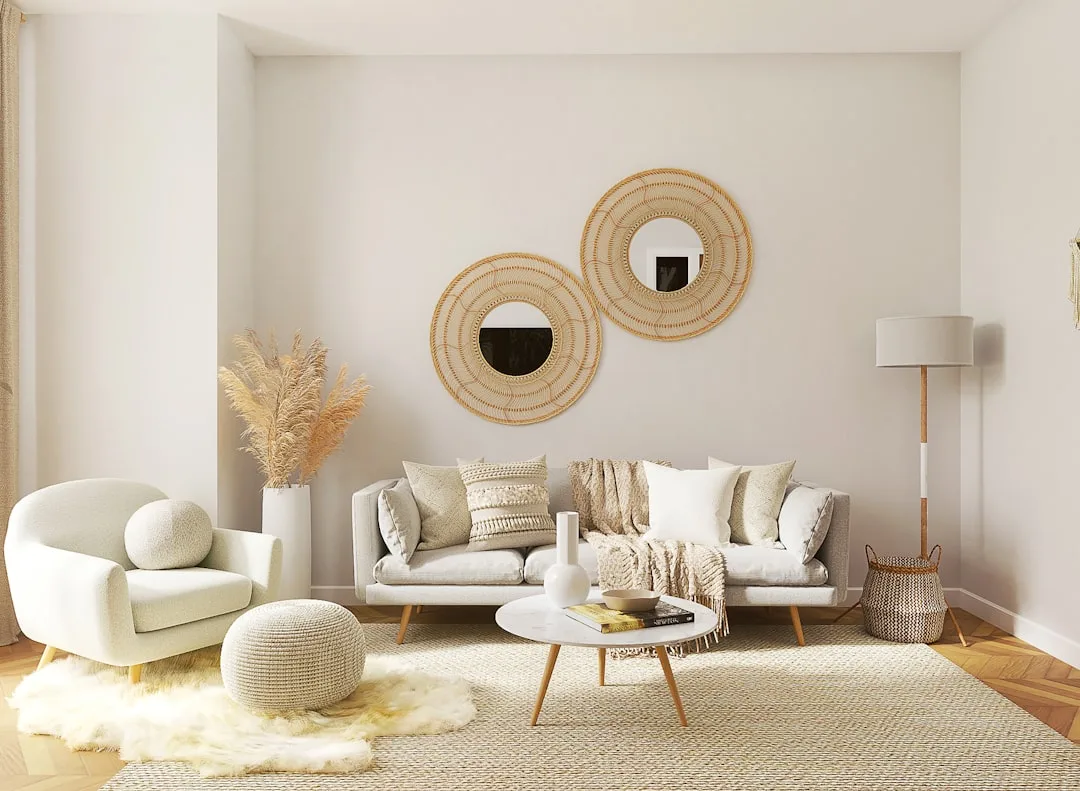
Creating a sanctuary at home starts with a palette that breathes. When you choose to style a living room with neutral colors, you aren’t just picking “safe” shades; you are laying the foundation for a sophisticated, timeless environment that evolves with your taste. In this guide, we will explore how to transform muted tones into a high-end design statement that feels both expansive and incredibly welcoming.
1. Master the Art of Layering Textures

The biggest risk with a neutral palette is a space that feels “flat.” To avoid this, you must prioritize texture over color. Think of your living room as a 3D canvas where different materials provide the visual interest that a bright red or blue would otherwise provide. Start with a base of smooth linen, then layer in chunky wool knits, sleek leather accents, and perhaps a jute rug. This variety creates “visual weight,” which keeps the eye moving and the room feeling dynamic.
When you ways to make your living room feel cozy, texture is your most powerful tool. Research from Architectural Digest suggests that tactile environments significantly improve our emotional connection to a space. Consider adding a bouclé armchair or a velvet ottoman to break up the monotony of a cotton sofa. These subtle shifts in fabric reflect light differently, adding depth to even the simplest beige or cream room.
2. Balance Warm and Cool Tones

Modern design has moved away from the “all-grey” trend of the last decade. Today, the most effective way to style a living room with neutral colors is to mix warm and cool undertones. If your walls are a crisp, cool white, bring in warmth through honey-toned wood furniture or camel leather. This contrast prevents the room from feeling clinical or, conversely, overly “muddy.” It’s about achieving a perfect equilibrium that feels intentional and curated.
For those working with smaller footprints, choosing the right temperature of paint is crucial. You might find inspiration in our guide on the best paint colors for small living rooms to see how light interacts with different neutral pigments. Generally, north-facing rooms benefit from warmer neutrals to counteract blue-tinted natural light, while south-facing rooms can handle cooler greys and stones without feeling icy. This balance ensures your neutral space feels vibrant throughout the day.
3. Use “Organic” Neutrals for a Biophilic Touch

Nature is the ultimate source of neutral inspiration. Incorporating organic materials like stone, clay, and untreated wood allows you to style a living room with neutral colors that feel grounded and authentic. Biophilic design—the practice of connecting indoor spaces to the natural world—is a major pillar of modern interior styling. According to the Economics of Biophilia report, integrating natural elements can reduce stress and enhance well-being.
Think beyond just the color of your walls. A travertine coffee table, a terracotta vase, or a large potted olive tree can serve as “neutral” anchors that provide organic shapes. These elements break the rigid lines often found in modern furniture. If you enjoy blending different eras, you can learn how to mix modern and vintage decor like a pro to incorporate weathered wooden antiques into your neutral scheme, adding a sense of history and soul to the room.
4. Incorporate Metallic Accents and Reflective Surfaces

Metals are essentially the “jewelry” of a room. When your color palette is restrained, metallic finishes like brushed brass, matte black, or polished chrome stand out beautifully. They provide a necessary “pop” without breaking the neutral harmony. A gold-framed mirror or a set of bronze floor lamps can act as focal points that draw the eye and reflect light, making the entire living room feel brighter and more expensive.
Reflective surfaces are also practical. They bounce light into darker corners, which is essential for maintaining the airy feel that neutral rooms are known for. While we often think of mirrors in the bathroom—like the high-tech options found in our 2026’s top 7 LED bathroom mirrors guide—oversized leaning mirrors in the living room are a classic designer trick to double the perceived space. Pair these with glass-topped tables to keep the floor plan feeling open and unobstructed.
5. Define the Space with Architectural Interest

If your room lacks bold color, let the architecture do the talking. You can style a living room with neutral colors by emphasizing wall moldings, coffered ceilings, or built-in shelving. Painting these features in the same color as the walls—but in a different sheen (like satin vs. matte)—creates a sophisticated, “quiet luxury” look that is very popular in modern interiors. This technique allows shadows to define the shapes of the room rather than pigments.
If your walls are currently a blank slate, consider adding a subtle accent. While many think of accent walls as bold colors, a neutral textured wallpaper or a slat-wood wall can be transformative. You might even find that some 10 bedroom accent wall ideas translate perfectly to a living room setting, such as lime-wash finishes or subtle wainscoting. These details ensure that your neutral room feels designed rather than just “unfinished.”
Frequently Asked Questions
How do I stop a neutral living room from looking boring?
The key is contrast and texture. Mix different materials like wood, metal, and various fabrics. Use different shades of your neutral color (e.g., mixing cream, beige, and tan) to create depth. Finally, add life with indoor plants; the green acts as a natural neutral that complements every palette.
What are the best neutral colors for a modern living room?
Currently, “greige” (a mix of grey and beige) is the most popular choice as it bridges the gap between warm and cool. Other great options include mushroom, off-white, soft terracotta, and charcoal for those who want a moodier neutral look.
Can I use black in a neutral living room?
Yes! In fact, many designers suggest that every neutral room needs a “touch of black” to ground the space. Black picture frames, lamp bases, or furniture legs provide a sharp contrast that makes the lighter neutrals look even cleaner and more intentional.
How do I choose a rug for a neutral space?
Look for rugs with a subtle pattern or a high-low pile. A monochromatic rug with a geometric pattern woven into the texture is perfect. It adds interest without introducing a new color that might disrupt the serene vibe of the room.
Are neutral living rooms high maintenance?
They can be, especially with kids or pets. To make it work, choose performance fabrics (like Crypton or Sunbrella) for your main seating. These materials are stain-resistant and easy to clean, allowing you to enjoy a light-colored sofa without the constant stress of spills.
Conclusion
Learning how to style a living room with neutral colors is a journey in refinement. By focusing on texture, balancing tones, and embracing organic materials, you create a space that feels both high-end and incredibly livable. Remember, a neutral room is never “finished”—it is a flexible backdrop that allows your life and personal style to take center stage. We would love to hear how you’ve used neutrals in your own home; feel free to share your tips or questions in the comments below!